
Sharon’s Story
August 22 2024 | Last Updated: Aug 22 2024
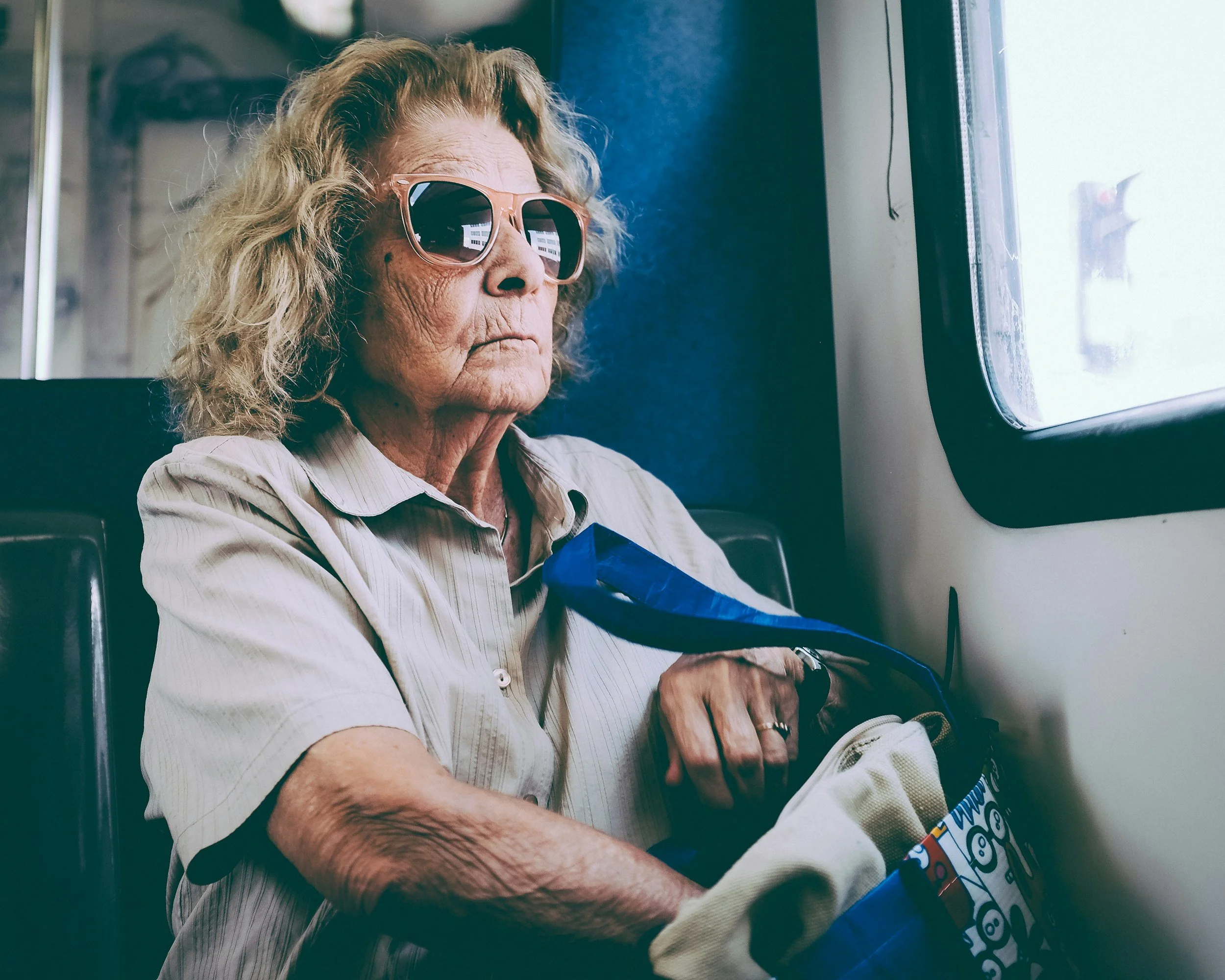
Brighter Days in 3 months
Sleep Apnea, Hearing, and Social Isolation
Sharon was in her 70’s when her family started to notice some changes. Her memory wasn’t as good as it used to be, and she was mixing up her words.
She kept calling them, asking the same questions over and over again, and she was getting overwhelmed taking care of her house.
This was pretty unusual for her, as a retired teacher who liked order and a house in tip-top shape.
When she started forgetting to eat and no longer keeping the house clean, her nieces helped her move into a retirement home.
When Sharon finally got in to see a geriatrician after a 2 year wait, she had been living at the retirement home for 3 years, and she was being referred for “agitation”.
What Did We Discover?
Sharon’s main reversible triggers for memory problems and agitation were:
30+ years of sleep apnea, for which she was not using her CPAP machine
Social isolation
Hearing loss without the use of hearing aids
It was during the COVID-19 pandemic that her nieces had first noticed changes. She was previously a very social person who had continued to volunteer in the local school long after she’d retired.
Without the joy, activity, and mental exercise of being around young kids, her nieces felt she’d lost her way.
What Did We Do?
Unfortunately, by the time Dr. Liv met Sharon, she was too far into the stages of moderate dementia for us to reverse her memory problems.
We couldn’t change her trajectory, but there was still more that we could do to protect her mind and improve her daily life.
We came up with the following plan:
Wear hearing aids
Being able to hear and partake in conversation would keep Sharon’s mind active, and stave off boredom, which was the main cause of her agitation.
2. Hire a PSW for 3 hours a day
Luckily, Sharon had the financial resources for her nieces to hire a private personal support worker to spend additional time with her for 3 hours a day.
This helped to keep her entertained, and most of all, she was able to leave the memory floor where she now lived, and visit the other non-memory floors of the retirement home where she had made friends over the years.
3. Try to use her CPAP machine
Although Sharon couldn’t set it up for herself, the nurse at the retirement home was able to help her put it on each night. She still woke up and would take it off, but at least for the 4-5 hours that she had it on, she was able to get a restful sleep.
This helped with her energy in the daytime, and warded off “cranky” energy, which was another contributor to her agitation.
How is Sharon now?
Three months later, Sharon is still living at the retirement home on the memory care floor, and her dementia has not progressed.
She gets better sleep, hangs out with her old friends during the day thanks to her hearing aids and PSW’s support, and hasn’t needed additional medications for her agitation.
Sharon’s story is shared with the hope that it will inspire those with sleep apnea to wear their CPAP machines, to always wear your hearing aids, and for all of us to recognize the importance of interaction, love, and spending time with our loved ones and friends.
While Sharon’s story isn’t one of prevention or recovery, it’s a story of how sleep apnea, hearing, and social isolation can contribute to dementia
Disclaimer: The stories shared on this website are composites of several clinical cases, designed to protect individuals' privacy. They are intended for educational and informational purposes only and should not be construed as medical advice or a reflection of any specific person. Any resemblance to actual persons, living or deceased, is purely coincidental.